Carnosine 101
Topical vs Oral Carnosine: Which Actually Reaches Your Muscles?
By Gracie 7 min read
The short answer
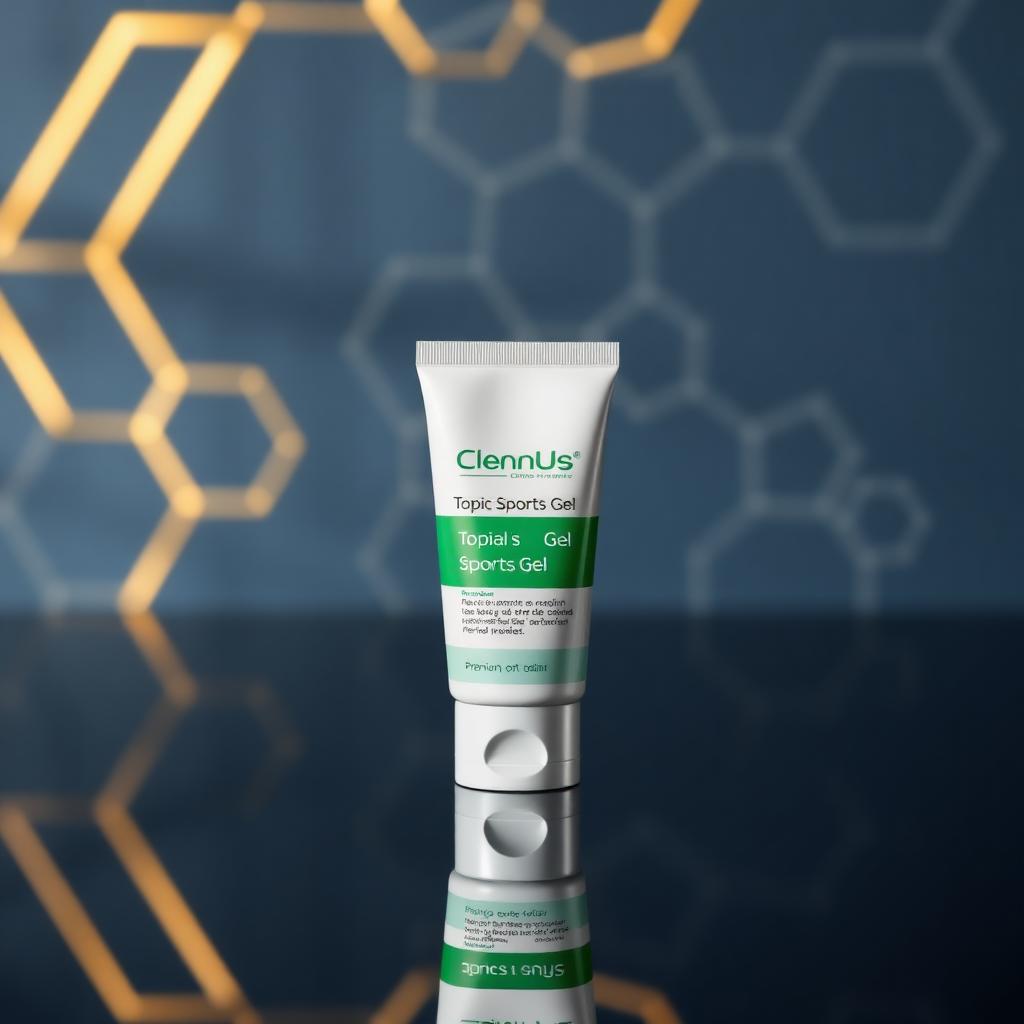
Oral carnosine is largely degraded by the enzyme carnosinase in human blood, so oral protocols usually supply beta-alanine instead and need four to ten weeks of daily dosing. Topical carnosine is applied over the target muscle and absorbed through the skin, bypassing digestion and the carnosinase bottleneck — which is why users typically report an effect within days rather than weeks.
This is the single most common question I get, and it deserves a straight answer rather than a sales pitch. Both routes are legitimate. They solve different problems, on different timelines, at different costs.
The carnosinase problem, explained once
Humans carry an enzyme in serum called carnosinase that cleaves carnosine back into its two amino acids. Its job is normal metabolic housekeeping. Its side effect is that carnosine swallowed as carnosine has a short half-life in circulation.
That is not a marketing claim; it is the reason the entire oral supplement category pivoted to beta-alanine years ago. You supply the precursor, let the muscle build carnosine internally, and accept the slower timeline.
What topical delivery changes
Applying a formulated carnosine preparation to the skin over a working muscle sidesteps both the gut and serum carnosinase. The formulation matters enormously here — carnosine is water-loving and does not cross skin well on its own, which is why permeation-enhancing formulation work is the patented part of this category.
The practical difference for the user is timing and targeting. You apply it where you intend to work, before and after the session, rather than dosing systemically and waiting weeks.
Want the source material? Every claim on this site traces back to my indexed research library — each study tagged by type and linked to PubMed.
Open the research libraryHead to head
A fair comparison, including where oral wins.
- Time to effect — topical: days. Oral beta-alanine: 4–10 weeks of daily loading.
- Targeting — topical: applied to specific muscles. Oral: whole-body, no targeting.
- Side effects — topical: occasional skin sensitivity. Oral: paraesthesia (tingling) at higher doses.
- Compliance — topical: two applications on training days. Oral: every single day, including rest days, or muscle levels drift back down.
- Evidence base — oral beta-alanine has the larger body of human performance trials; topical carnosine has the newer permeation and applied-use research.
Can you do both?
Yes, and plenty of competitive athletes do — oral beta-alanine to raise baseline muscle carnosine over a season, topical carnosine around specific hard sessions and competition days. There is no known interaction, but this is a conversation for you and your physician, particularly if you are drug-tested or managing a health condition.
Questions people actually ask
Does topical carnosine really absorb through skin?
Only when formulated for it. Plain carnosine in a basic cream is a poor candidate for skin penetration; the permeation chemistry is the difference between a product and a paste.
Is topical carnosine safe to use every day?
It is designed for repeated application, but patch-test first and stop if skin irritation appears. If you are pregnant, nursing, or managing a medical condition, ask your doctor before starting anything new.
Which is cheaper?
Bulk beta-alanine powder is cheaper per month. Topical carnosine costs more per unit but is used only around sessions, so real-world monthly cost is closer than the sticker price suggests.
How I can help
You get a real person, not a checkout page
Tell me your training week and I will tell you honestly whether topical, oral, or neither makes sense for you. I only earn if you buy through my link, so I would rather send you away with a straight answer than sell you the wrong route and lose your trust.
These statements have not been evaluated by the Food and Drug Administration. This product is not intended to diagnose, treat, cure, or prevent any disease. Individual results vary. Always consult your physician before starting any new supplement or recovery protocol.
Keep reading
 Carnosine 101What is carnosine?Carnosine is a natural dipeptide stored in muscle and brain tissue. Here is what it does, why levels fall with age, and what the research actually supports.
 Buying GuideHow to use it properlyA simple, no-nonsense protocol for applying topical carnosine — when to apply, how much, where, and the four mistakes that waste product.