Carnosine 101
What Is Carnosine? A Plain-English Guide to the Molecule Behind Your Recovery
By Gracie 8 min read
The short answer
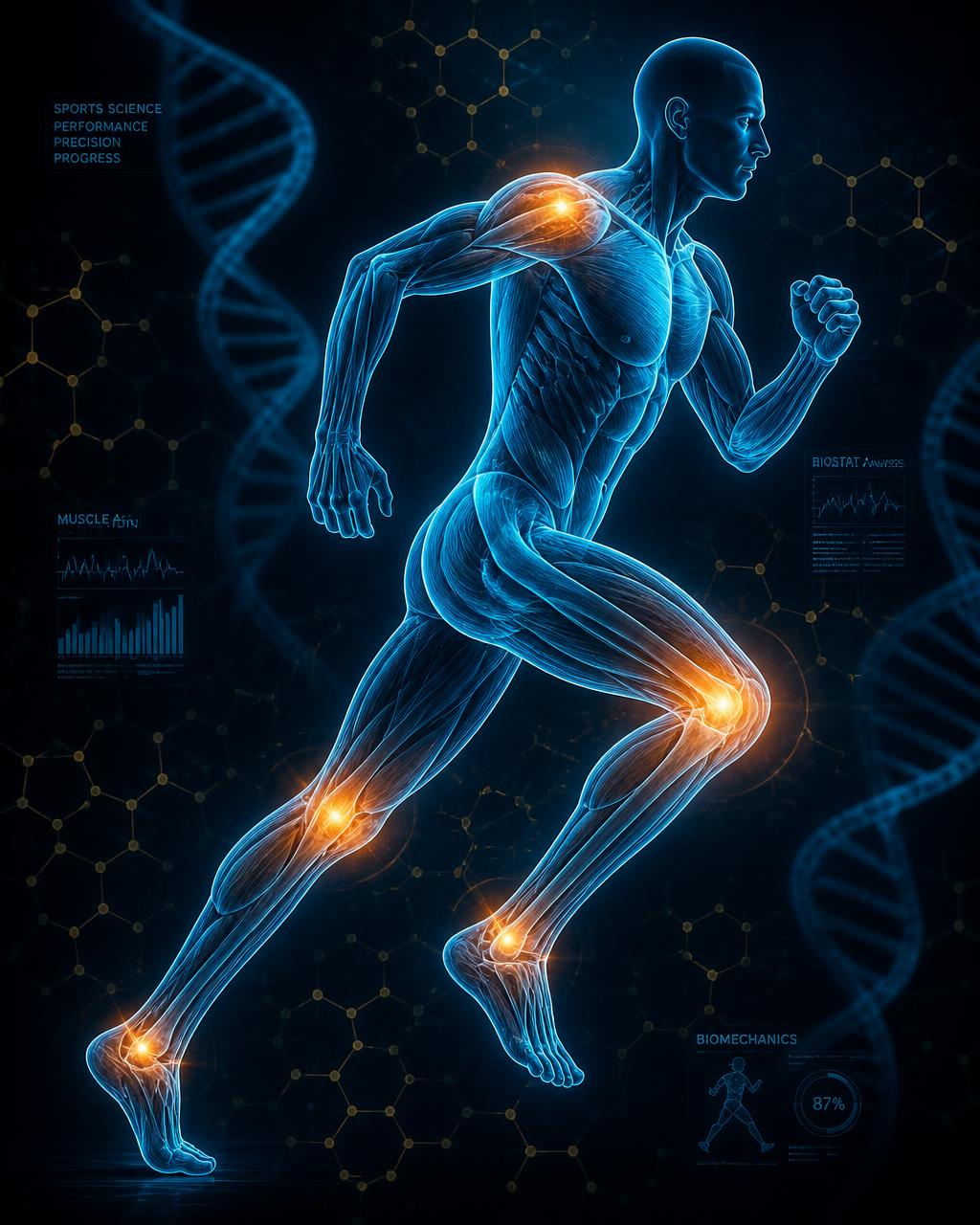
Carnosine is a dipeptide — two amino acids, beta-alanine and histidine, joined together — that your body concentrates in skeletal muscle, heart and brain tissue. It buffers the acid that builds up during hard effort, mops up reactive by-products of metabolism, and helps protect proteins from sugar-driven damage. Muscle carnosine falls with age, which is why it has become one of the most studied small molecules in sports science and healthy-aging research.
Most people meet carnosine for the first time on a label, not in a textbook. It sounds like a supplement invented by marketing. It is not: carnosine was isolated from meat extract in 1900 by the Russian chemist Vladimir Gulevich, and it has been sitting in the scientific literature ever since — more than 3,500 published studies now reference it.
This is the article I wish someone had handed me at the beginning. No jargon, no miracle claims. Just what the molecule is, what it does in the body, and where the evidence is strong versus where it is still early.
The one-sentence definition
Carnosine is a dipeptide — a very small protein fragment made of the amino acids beta-alanine and L-histidine — that your body makes and stores in the tissues that work hardest: skeletal muscle, cardiac muscle, and the brain.
Because it is built in the body rather than eaten in meaningful amounts from most diets, its concentration depends on how much raw material you have, how old you are, and how much you train.
Four jobs carnosine does inside a working muscle
The research clusters around four functions. They are related, and they all matter more the harder you work.
- pH buffering — hard effort makes muscle acidic. Carnosine soaks up hydrogen ions, delaying the burn that ends a set or a sprint.
- Antioxidant activity — it neutralises reactive oxygen species produced as a by-product of energy metabolism.
- Anti-glycation — it binds reactive sugar and aldehyde molecules before they can permanently damage structural proteins like collagen.
- Metal chelation — it binds loose copper and zinc ions that would otherwise drive oxidative reactions.
Want the source material? Every claim on this site traces back to my indexed research library — each study tagged by type and linked to PubMed.
Open the research libraryWhy levels fall — and why that is the interesting part
Muscle carnosine peaks in early adulthood and declines steadily from there. Vegetarians and vegans typically sit lower still, because dietary beta-alanine comes mostly from meat and fish.
That decline lines up uncomfortably well with the things people over forty complain about: slower recovery, more next-day stiffness, less tolerance for back-to-back hard days. Correlation is not proof, and I will not pretend otherwise — but it is the reason carnosine moved from a niche sports-science topic into mainstream aging research.
Oral versus topical: the delivery problem
Swallowed carnosine has a well-documented obstacle. An enzyme called carnosinase, present in human blood, breaks most of it down within minutes of absorption. This is why oral protocols usually supply beta-alanine — a precursor — and why they take four to ten weeks of consistent dosing to raise muscle levels.
Topical delivery is the newer route: apply a carnosine formula directly over the working muscle so it does not have to survive the digestive tract or the bloodstream first. That is the approach the patented formula I represent takes, and it is why the transdermal permeation research is the section of my library I point people to first.
What the evidence does and does not support
Strongest: buffering capacity and exercise performance in high-intensity, short-duration effort. This is where the human trials live.
Promising but earlier: cognitive, metabolic and anti-glycation work — a lot of it in animal or cell models, which tells you about mechanism, not about outcomes in people.
Not supported: any claim that carnosine treats, cures or prevents a disease. If you see that claim anywhere, including on a competing affiliate site, close the tab.
Questions people actually ask
Is carnosine the same as beta-alanine?
No. Beta-alanine is one of the two building blocks your body uses to make carnosine. Most oral supplements provide beta-alanine because carnosine itself is broken down quickly in the blood.
Does carnosine cause the tingling that beta-alanine does?
The tingling (paraesthesia) is a beta-alanine effect at higher oral doses. A topical carnosine formula applied to the skin does not produce it.
How long does it take to notice anything?
Users of topical formulas typically report a difference in next-day soreness within the first two weeks. Oral beta-alanine loading takes four to ten weeks to change muscle carnosine content.
How I can help
You get a real person, not a checkout page
If you want the science without wading through 3,500 abstracts, my research library indexes the studies that actually matter, each summarised in plain English and linked to PubMed. Message me and I will point you to the three papers most relevant to your situation — training, aging, or clinical practice — before you spend anything.
These statements have not been evaluated by the Food and Drug Administration. This product is not intended to diagnose, treat, cure, or prevent any disease. Individual results vary. Always consult your physician before starting any new supplement or recovery protocol.
Keep reading
 Carnosine 101Topical vs oral carnosineOral carnosine is broken down by carnosinase within minutes. Here is how topical delivery gets around that, and how to decide which route suits you.
 Healthy AgingRecovery after 40Muscle carnosine declines with age, and so does recovery capacity. What the research suggests about the overlap — and what to do about it this week.